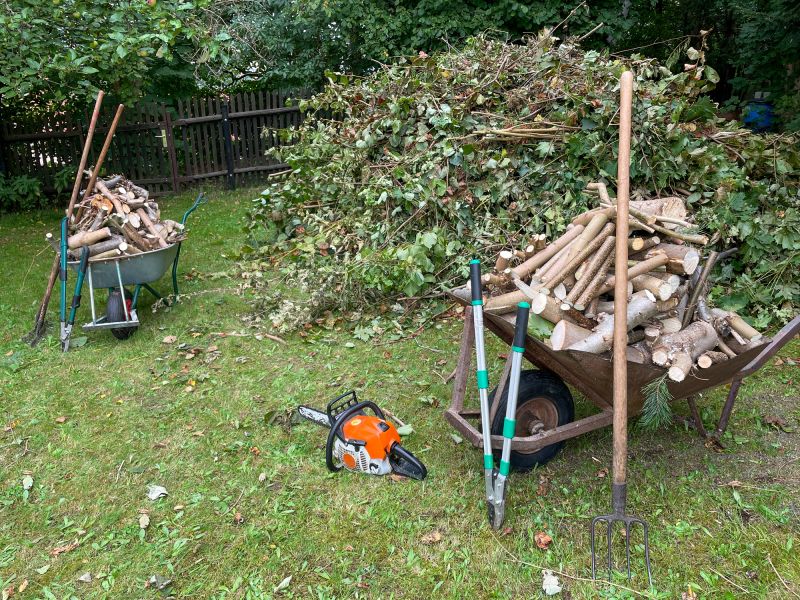
Tree Debris Removal in Honolulu, HI
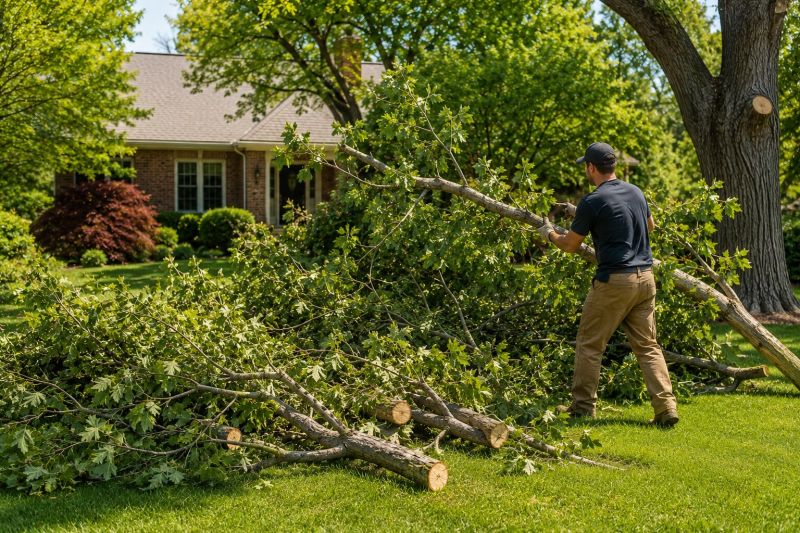
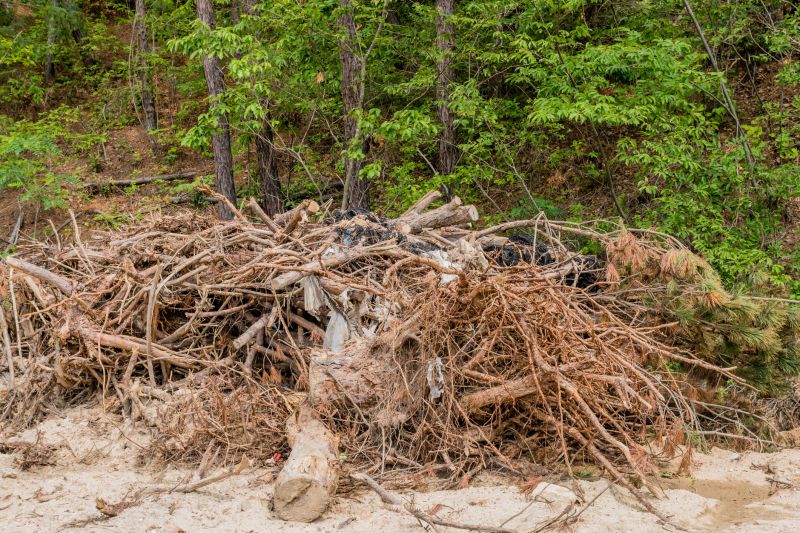
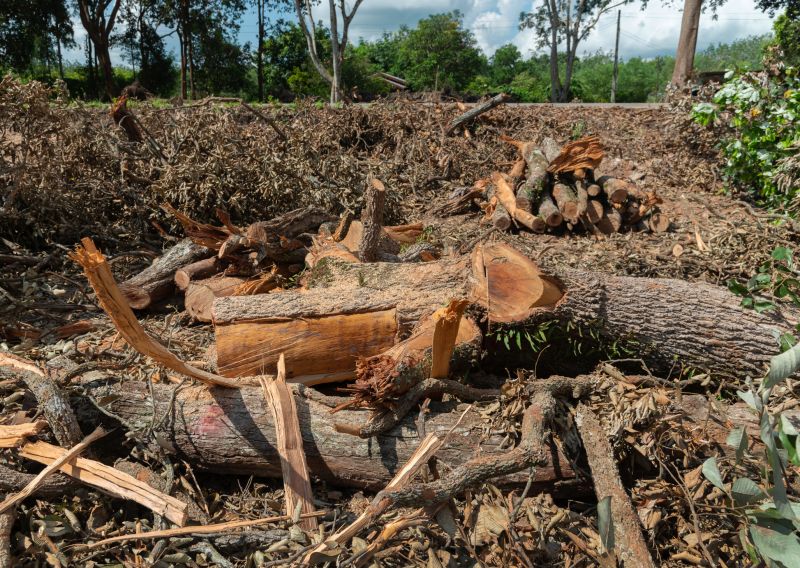
Tree debris removal services involve clearing away fallen branches, leaves, and other organic materials resulting from storms, pruning, or general yard maintenance. These projects typically include removing debris from lawns, driveways, walkways, and landscaped areas to improve the appearance and safety of the property. Homeowners often request this service after severe weather events, during seasonal cleanups, or when managing overgrown trees that shed large amounts of debris, ensuring outdoor spaces remain tidy and hazard-free.
Before requesting tree debris removal, property owners should consider the extent of debris, the accessibility of affected areas, and any specific landscaping features that may require careful handling. It’s helpful to communicate the size and quantity of debris, as well as any nearby structures or plants that need protection during cleanup. Understanding these details can assist in planning the most efficient and effective removal process to keep outdoor spaces clean and safe.
Many property owners in Honolulu, HI look into Tree Debris Removal for repairs, replacements, upgrades, and appearance-related improvements.
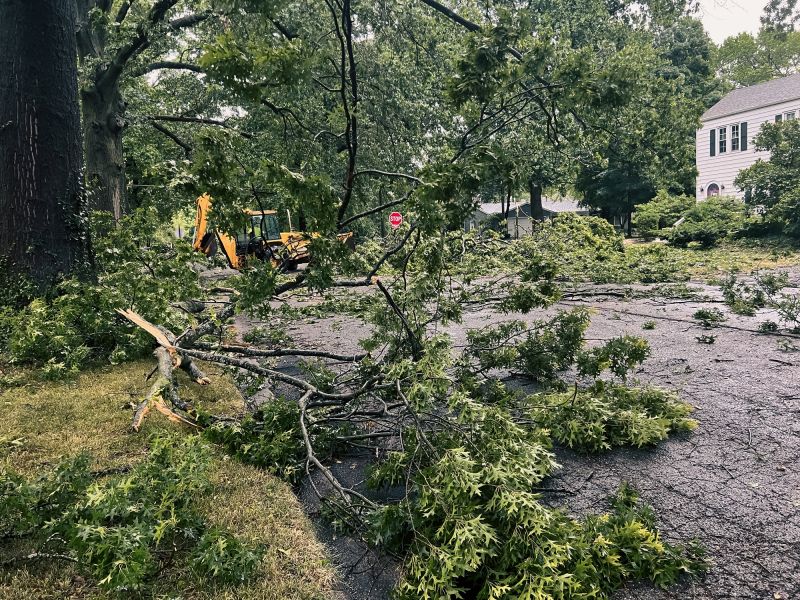
Tree Debris Clearing
Removing fallen branches and leaves to keep outdoor spaces tidy and safe.
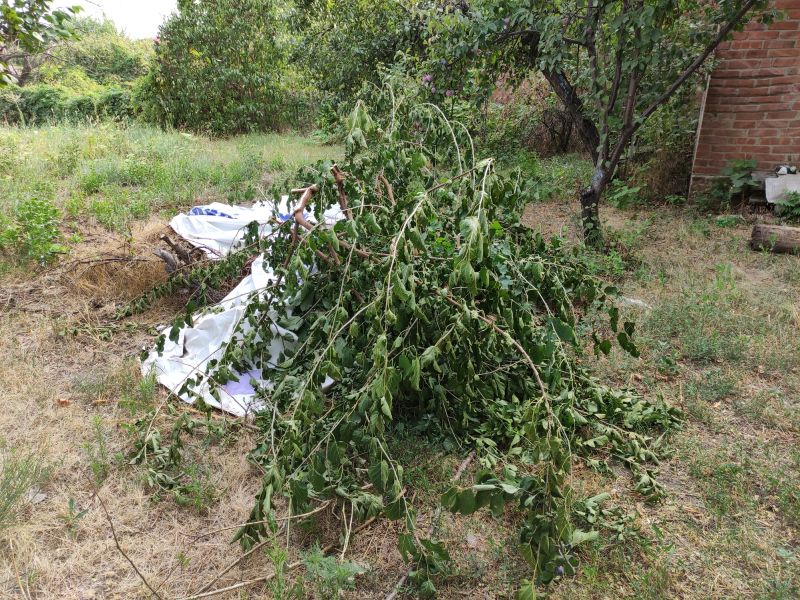
Storm Cleanup Services
Efficient removal of storm-related debris to restore property appearance and safety.
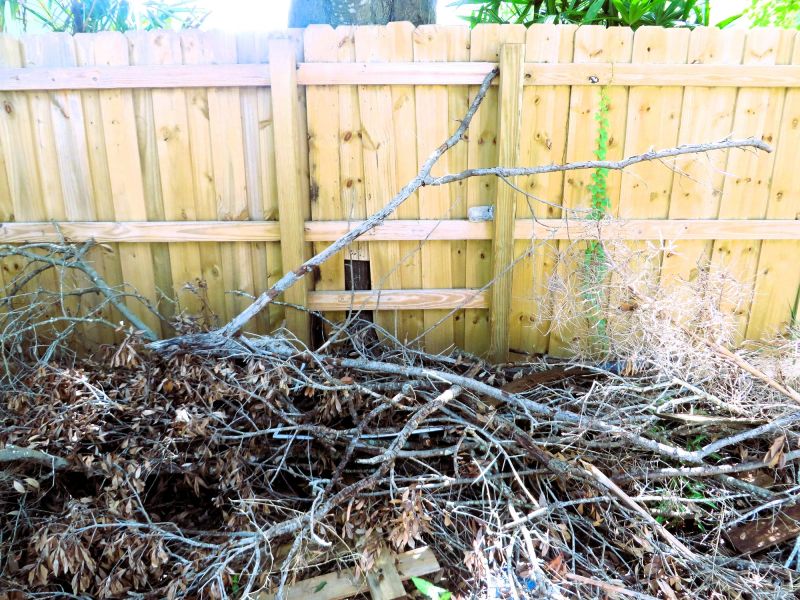
Yard Maintenance Support
Regular debris removal to maintain a clean and healthy landscape in honolulu, hi.
Tree Debris Removal in Honolulu, HI

Tree debris removal services involve clearing away fallen branches, leaves, and other organic materials resulting from storms, pruning, or general yard maintenance. These projects typically include removing debris from lawns, driveways, walkways, and landscaped areas to improve the appearance and safety of the property. Homeowners often request this service after severe weather events, during seasonal cleanups, or when managing overgrown trees that shed large amounts of debris, ensuring outdoor spaces remain tidy and hazard-free.
Before requesting tree debris removal, property owners should consider the extent of debris, the accessibility of affected areas, and any specific landscaping features that may require careful handling. It’s helpful to communicate the size and quantity of debris, as well as any nearby structures or plants that need protection during cleanup. Understanding these details can assist in planning the most efficient and effective removal process to keep outdoor spaces clean and safe.
Many property owners in Honolulu, HI look into Tree Debris Removal for repairs, replacements, upgrades, and appearance-related improvements.
Common Tree Debris Removal Jobs
Tree debris removal services help clear fallen branches and leaves from yards and driveways.
This work includes raking, pruning, and hauling away debris to maintain a tidy property.
Services are suitable after storms or for seasonal cleanup to prevent damage or hazards.
Removing tree debris reduces the risk of pests and decay that can affect healthy trees.
Proper debris removal can improve curb appeal and ensure safety around walkways and driveways.
Professional removal helps prevent blockages in gutters and drainage systems.
Tree Debris Removal Questions
What types of tree debris removal services are available? Services include removal of fallen branches, leaves, and storm-damaged tree parts to keep the property tidy and safe.
When should tree debris be removed? Debris should be cleared promptly after storms or when it begins to accumulate, to prevent hazards and maintain landscape appearance.
Is tree debris removal suitable for large or hazardous trees? Yes, specialized equipment and techniques are used to safely remove debris from large or difficult-to-access trees.
What should property owners consider before scheduling debris removal? It's important to assess the extent of debris and any potential hazards to determine the appropriate cleanup approach.
Request Tree Debris Removal in Honolulu, HI
Use the quote form on this page to share the basics of your project and request more information for the type of work you need.